Best Portable Power Station for Beginners
As an Amazon Associate I earn from qualifying purchases. Read our affiliate disclosure.
Top picks at a glance
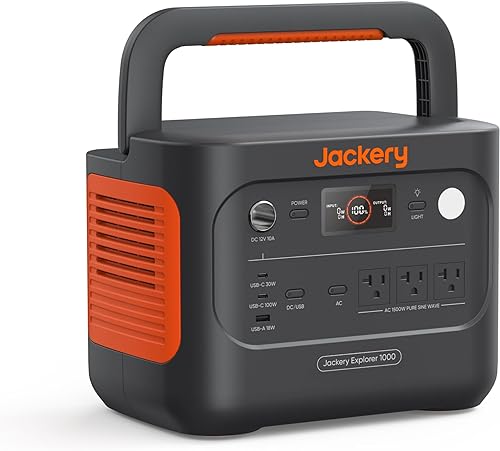 Best for most beginnersJackery Explorer 1000 v2View on Amazon
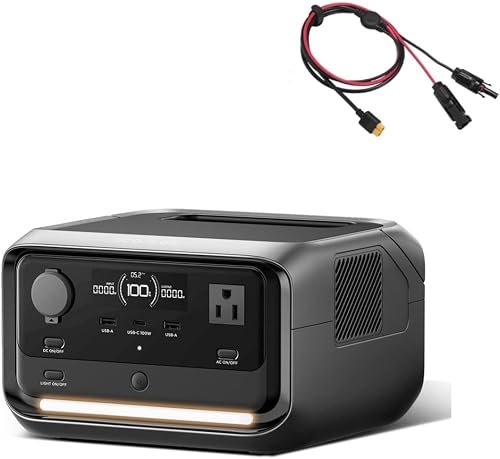 Best small starterEcoFlow RIVER 3 PlusView on Amazon
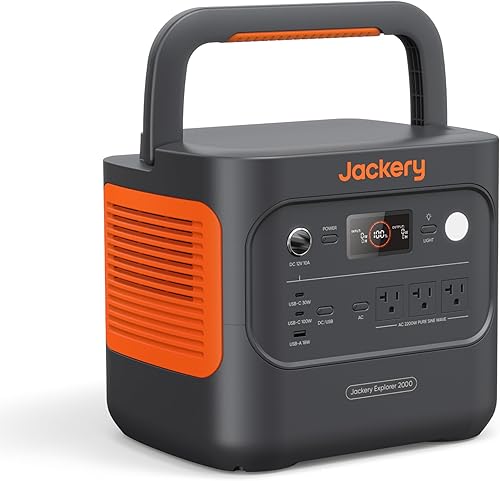 Best for home backupJackery Explorer 2000 v2View on Amazon
For most beginners, we’d start with the Jackery Explorer 1000 v2. A station of about 1 kWh covers a lot of everyday uses, and this is the lightest one we compare. If you only need to charge small devices, the EcoFlow RIVER 3 Plus is much smaller. For outages, step up to the Jackery Explorer 2000 v2.
Our starter picks come from specs we checked in November 2026. We haven’t tested these models.
Quick comparison
| Model | Capacity | AC output | Weight | Good starting point for |
|---|---|---|---|---|
| EcoFlow RIVER 3 Plus | 286 Wh | 600 W | 10.4 lb | Phones, laptops, Wi-Fi |
| Jackery Explorer 1000 v2 | 1,070 Wh | 1,500 W | 23.8 lb | Camping and short outages |
| Jackery Explorer 2000 v2 | 2,042 Wh | 2,200 W | 39.5 lb | A fridge and essentials |
Step 1: List your devices
Write down each device, its watts, and how many hours you will use it between recharges. The label or manual gives the most reliable figure. These numbers are rough examples.
| Device | Typical watts |
|---|---|
| Phone charging | 10 W |
| LED camp light | 10 W |
| Laptop | 60 W |
| Mini fridge, averaged over a day | 50 W |
Step 2: Add up the watt-hours
Multiply watts by hours for each device, then add the results. Here is one day of camping:
| Device | Watts | Hours | Watt-hours |
|---|---|---|---|
| Laptop | 60 | 4 | 240 |
| Phone | 10 | 2 | 20 |
| Lights | 10 | 5 | 50 |
| Mini fridge | 50 | 24 | 1,200 |
| Total | 1,510 |
Step 3: Allow for losses and margin
Divide by 0.85 to allow for conversion losses, then multiply by 1.2 to leave a 20% margin.
1,510 ÷ 0.85 × 1.2 ≈ 2,130 Wh
Without the fridge, the same day needs only about 440 Wh. One appliance can change the size you need, so check whether you really need to run everything.
Step 4: Check the output rating
Add up the running watts of everything you may use at once, and make sure the station’s continuous output is higher. Motors and compressors draw extra power for a moment at startup, so check the surge rating too. Solar panels or a vehicle outlet can also reduce the capacity you need.
Jackery Explorer 1000 v2: best for most beginners
It covers the no-fridge day with plenty left over, and it’s easy to carry. It’s limited to 1,500 W, so check any heating appliances first.
Jackery Explorer 1000 v2
- Capacity
- 1,070 Wh
- AC output
- 1,500 W
- Solar input
- 400 W
- Weight
- 23.8 lb
Who it's for: Campers who want about 1 kWh at a low weight and don't run appliances over 1,500 W.
Strengths
- Lightest 1 kWh model we compare
- LiFePO4 battery
- 3,000 W surge rating
Weaknesses
- Lower AC output than the Anker C1000 Gen 2
- Cycle rating is listed to 70% or more, not 80%
EcoFlow RIVER 3 Plus: best small starter
At 10.4 lb, it’s a simple way to keep small devices running. EcoFlow lists a 1-hour AC charge, and you can add an extra battery for up to 858 Wh.
EcoFlow RIVER 3 Plus
- Capacity
- 286 Wh
- AC output
- 600 W
- AC charge
- 1 hour
- Weight
- 10.4 lb
Who it's for: People who mainly charge phones and laptops or keep Wi-Fi on, and want a station that's easy to carry.
Strengths
- Easy to carry at 10.4 lb
- Expandable to 858 Wh
- Listed at under 30 dB
Weaknesses
- Small capacity for high-power devices
- 600 W limits what you can run
Jackery Explorer 2000 v2: best for home backup
This is the size to look at if a fridge is on your list. Read our full Explorer 2000 v2 review.
Jackery Explorer 2000 v2
- Capacity
- 2,042 Wh
- AC output
- 2,200 W
- Surge
- 4,400 W
- Weight
- 39.5 lb
Who it's for: Households that want about 2 kWh one person can move, with no plans to expand.
Strengths
- About 2 kWh at 39.5 lb
- 4,400 W surge rating
- LFP battery
Weaknesses
- Heavier to move than 1 kWh models
- Not expandable
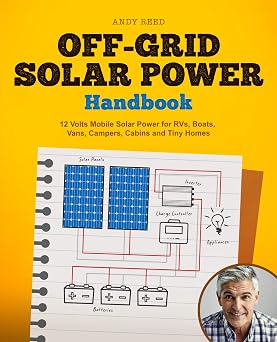
Prefer to read more before you buy? See our picks for the best ebooks on portable power stations.
How to choose
- Work out your watt-hours. Follow the four steps above.
- Check your largest device. The AC output has to cover it.
- Think about carrying it. Weights here run from 10.4 lb to 39.5 lb.
- Plan your recharging. Decide if you’ll use a wall outlet, your car, or solar.
FAQ
What size power station do I need?
Use the steps above. As a rough guide, about 300 Wh suits small devices, 1 kWh suits camping and short outages, and 2 kWh suits a fridge plus essentials.
What does 1,000 Wh mean?
A 1,000 Wh battery holds about the energy needed to run a 100 W device for 10 hours. In practice you get less, or about 8.5 hours at 85% efficiency.
Do I need solar panels?
Not for most beginners. They’re most useful for long trips or long outages.
You can test your numbers with the runtime calculator.